
Advanced microbiology testing solutions designed to support product safety, preservative efficacy, microbial quality evaluation, antimicrobial performance, and formulation integrity across cosmetic, personal care, pharmaceutical, home care, and healthcare applications.
Microbial Quality Testing
Microbial Quality Testing
Comprehensive microbial quality assessments conducted across different stages of product development, storage, and usage conditions to evaluate microbial contamination, product integrity, and formulation stability. Studies are conducted in alignment with internationally recognized ISO standards, USP <61> & <62>, EP 2.6.12 & 2.6.13, and IS 14648:2011 guidelines.
Applications
- Finished Product Testing
- In-Use Product Evaluation
- Shelf-Life Microbial Assessment
- Storage Condition Evaluation
- Climatic Stability Assessment
- Handling Condition Assessment
- Packaging Compatibility Evaluation
- Sterility Testing
- TAMC & TYMC Evaluation
Preservative Efficacy & Challenge Testing
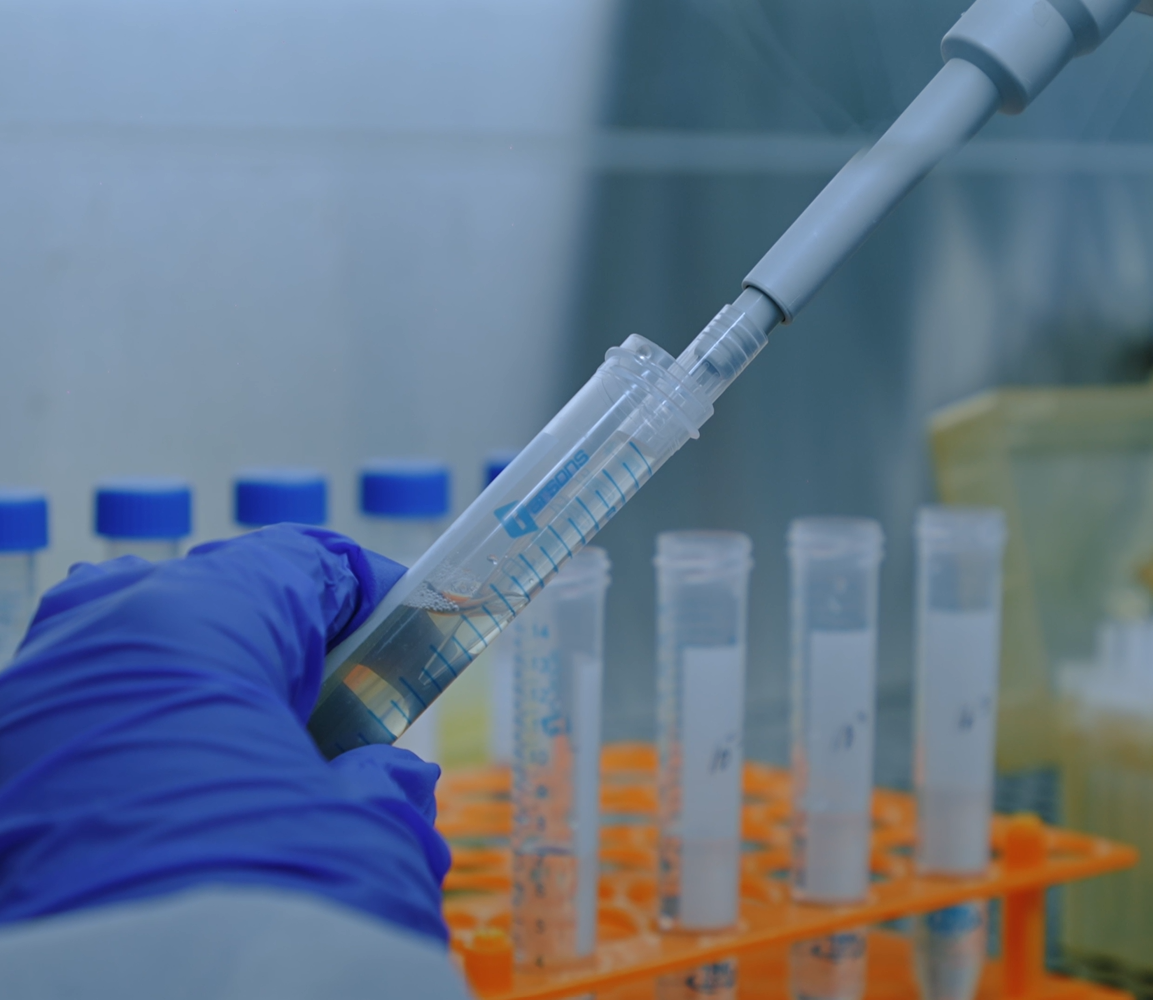
Assessment of preservative systems to determine microbial resistance and product protection throughout intended shelf-life. Studies are performed in accordance with ISO 11930, USP, BP, ASTM, and ISO methodologies using relevant bacterial and fungal strains including Staphylococcus aureus, Escherichia coli, Pseudomonas aeruginosa, Candida albicans, and Aspergillus brasiliensis.
Applications
- Preservative Efficacy Testing (PET)
- Antimicrobial Effectiveness Testing (AET)
- Challenge Testing
- Shelf-Life Validation
- Formulation Preservation Assessment
Anti-Microbial In Vitro Testing
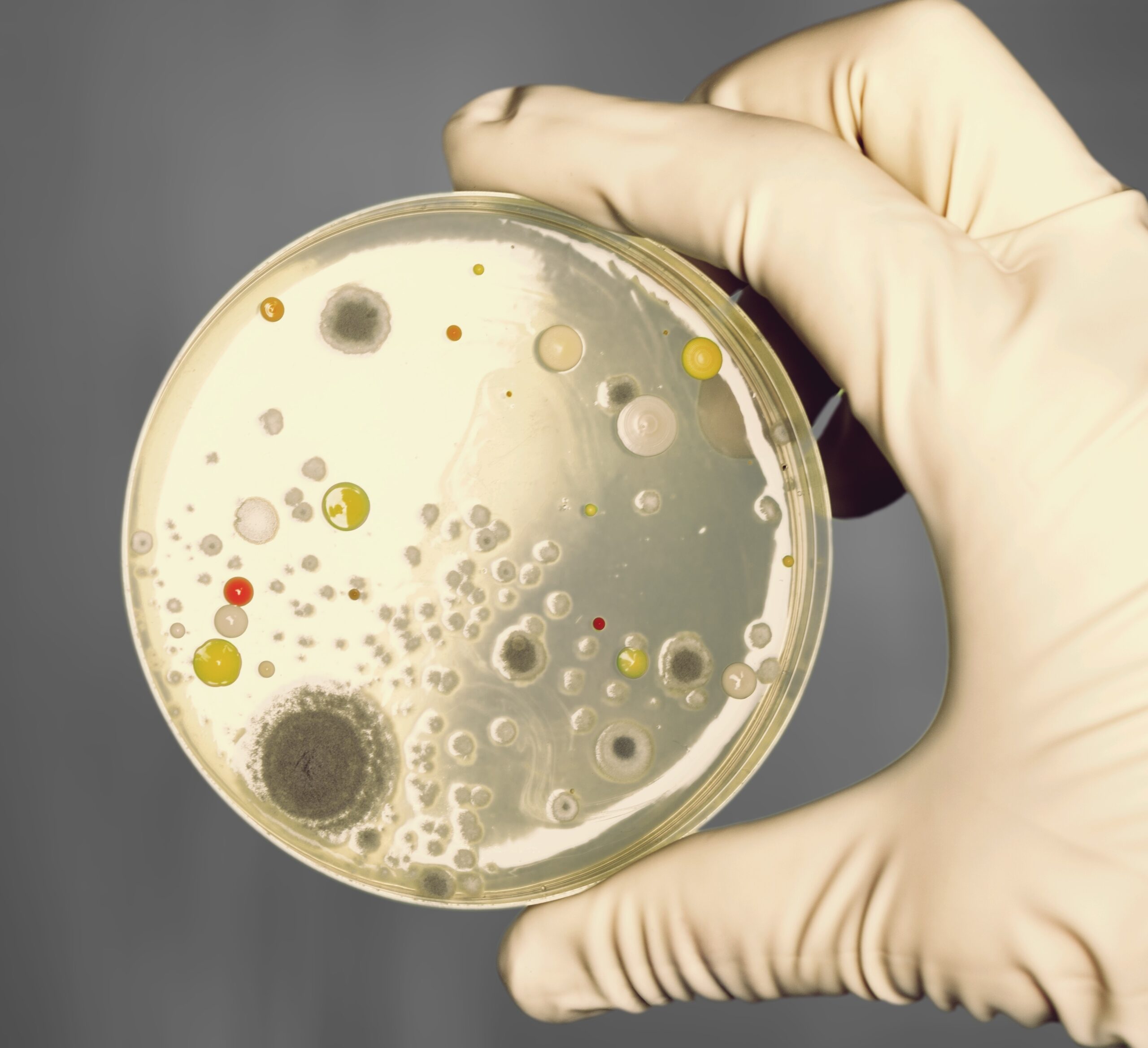
Evaluation of antimicrobial activity and microbial growth inhibition across formulations, ingredients, and finished products using standardized in vitro methodologies. Testing approaches are aligned with CLSI guidelines and can be conducted against bacterial and fungal cultures based on intended product application.
Applications
- Zone of Inhibition (ZOI) Studies
- Kirby-Bauer Testing
- Comparative Antimicrobial Evaluation
- Ingredient Screening
- Formulation Efficacy Assessment
- MIC Assessment
- MBC Assessment

Germ Kill Studies
Assessment of microbial reduction performance and antimicrobial efficacy under controlled laboratory conditions using natural or selective microflora models. Studies evaluate percentage germ kill and log reduction to determine antimicrobial performance across formulations and finished products.
Applications
- Percentage Germ Kill Assessment
- Log Reduction Analysis
- Natural Microflora Studies
- Selective Microflora Evaluation
- Contact Time Studies
- Comparative Efficacy Evaluation

Hand Sanitizer Efficacy Testing
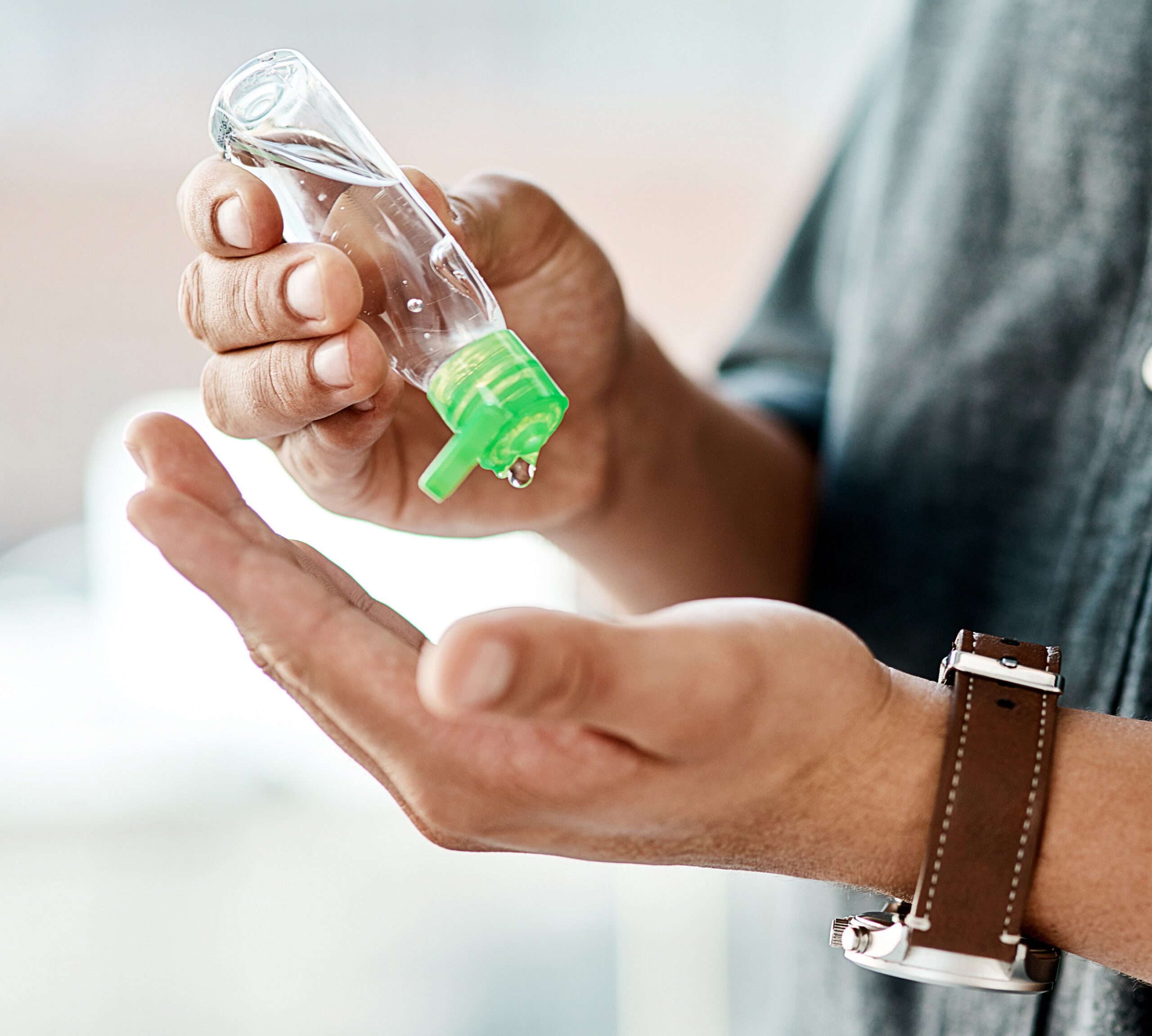
Controlled antimicrobial efficacy studies designed to evaluate sanitizer performance under standardized contamination conditions. Testing is conducted as per ASTM E-2755 guidelines using relevant microbial strains including E. coli, Staphylococcus aureus, and Serratia marcescens.
Applications
- Hand Sanitizer Validation
- Microbial Reduction Assessment
- Controlled Contamination Studies
- Product Performance Evaluation
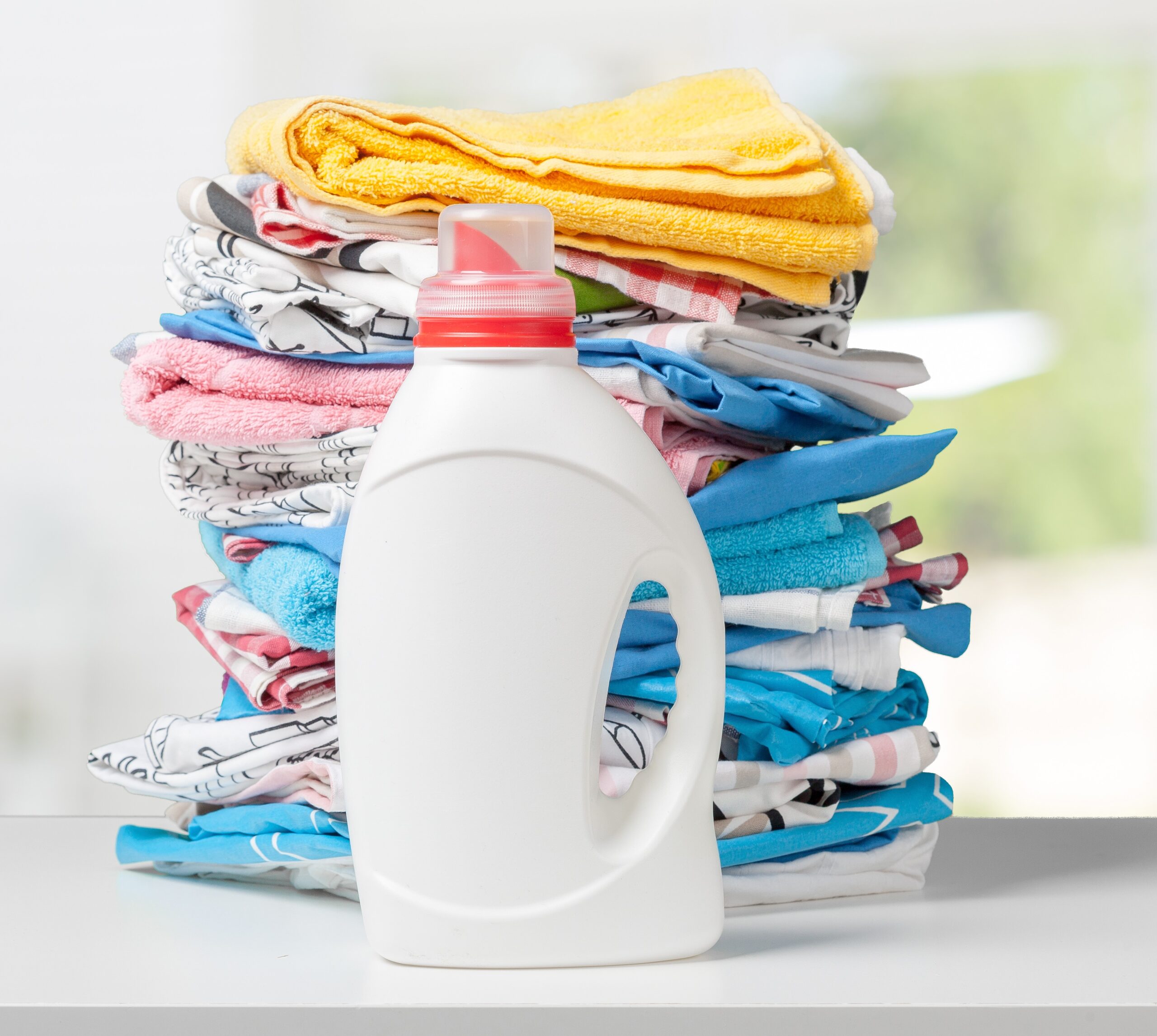
Antimicrobial Efficacy of Detergents
Evaluation of detergent formulations against microbial cultures under simulated usage conditions using washing machine and bucket wash methodologies. Studies are conducted according to ASTM E-2274 and ASTM E-2406 standards against organisms including E. coli, S. aureus, Klebsiella, and Pseudomonas aeruginosa.
Applications
- Washing Machine Wash Studies
- Bucket Wash Studies
- Fabric-Based Antimicrobial Evaluation
- Comparative Detergent Efficacy Studies
AMES TESTING | OECD 471
Bacterial reverse mutation testing designed to evaluate the mutagenic and carcinogenic potential of substances and formulations under controlled laboratory conditions, using internationally recognized mutagenicity assessment frameworks.
This test can be used to assess raw ingredients, finished formulations, and cosmetic, personal care, and pharmaceutical products for genotoxicity, ingredient safety, and regulatory safety support.
Product-Specific Efficacy Testing
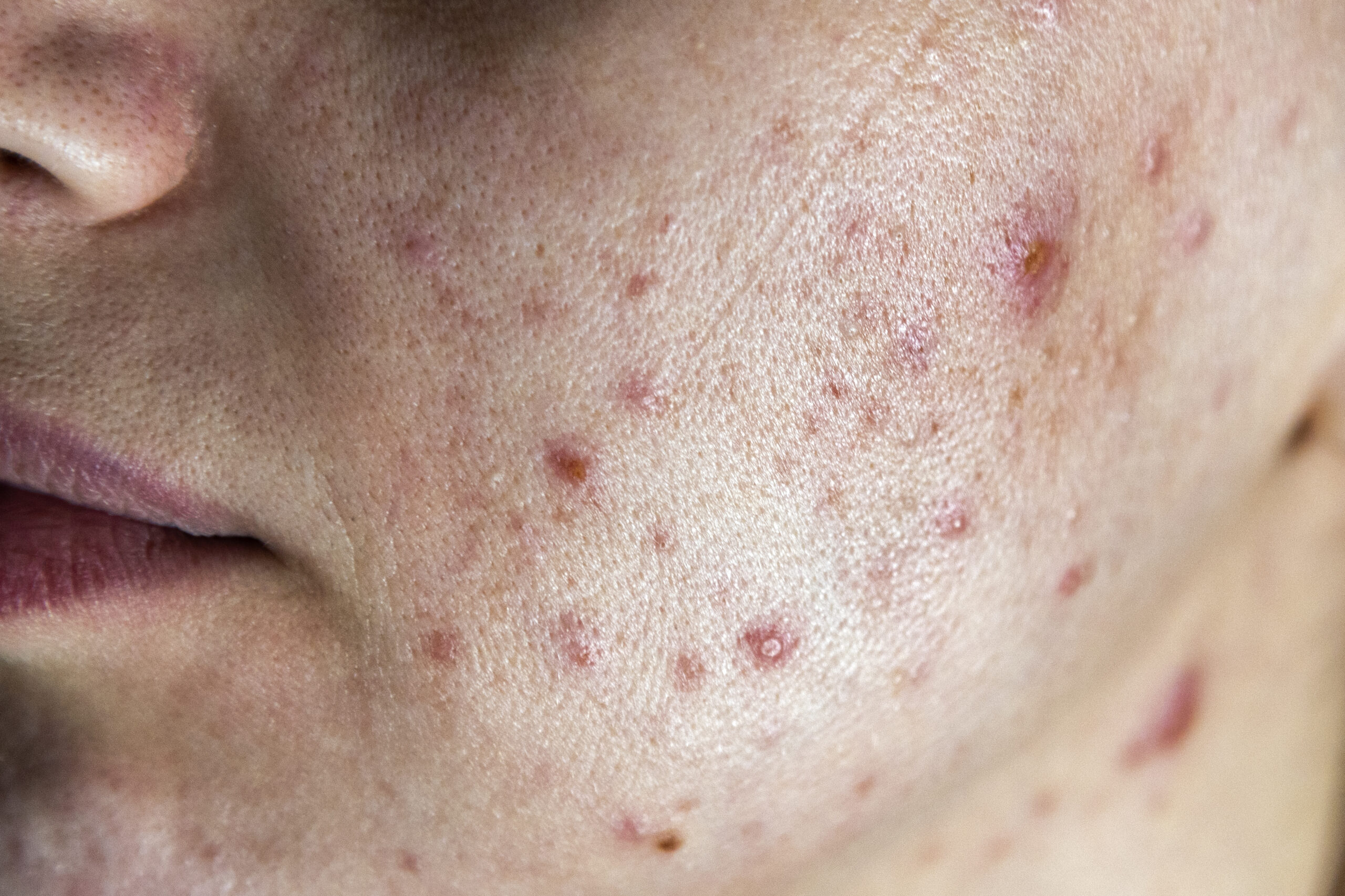
Skin & Personal Care Product Testing
Studies designed to evaluate antimicrobial efficacy, skin flora interaction, and product performance across cleansers, soaps, deodorizing products, and body care formulations. Testing can be conducted against microorganisms including Cutibacterium acnes, Staphylococcus aureus, and Staphylococcus epidermidis.
Applications
- Anti-Acne Product Testing
- Skin Flora Assessment
- Deodorizing Product Evaluation
- Soap & Cleanser Testing
- Body Care Product Evaluation
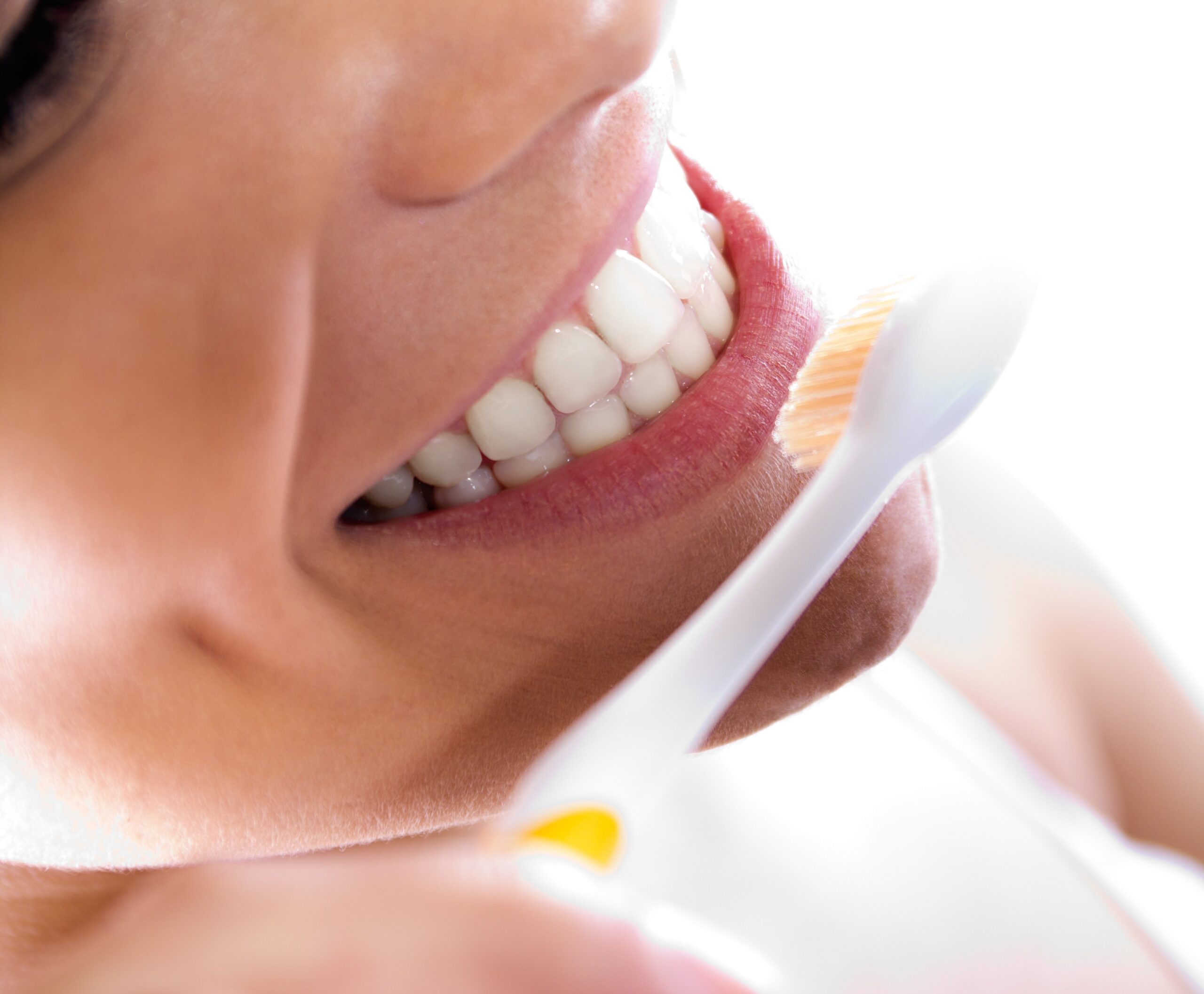
Oral Care Product Testing
Microbiology studies designed to evaluate oral care formulations against total oral microflora and specific oral pathogens using standardized microbiological methodologies. Studies can include organisms such as Streptococcus spp. and Porphyromonas gingivalis.
Applications
- Toothpaste Efficacy Testing
- Oral Microflora Assessment
- Oral Malodor Studies
- Periodontal Pathogen Evaluation
Hair Care Product Testing
Targeted microbiology studies designed to evaluate anti-dandruff and scalp-care formulations under controlled laboratory conditions. Testing can be conducted against relevant scalp microorganisms including Malassezia furfur.
Applications
- Anti-Dandruff Product Evaluation
- Shampoo Efficacy Studies
- Scalp Microbial Assessment

Key Highlights
Standardized Global Methodologies
Studies designed in alignment with internationally recognized ISO, USP, ASTM, EP, CLSI, and OECD guidelines.
Customized Research Design
Flexible study protocols tailored to product category, intended application, microbial target, and research objective.
Application-Focused Testing
Support for cosmetic, personal care, oral care, hygiene, detergent, pharmaceutical, and healthcare product categories.
ISO-Grade & NABL-Certified Infrastructure
Advanced ISO-grade microbiology laboratories with NABL-certified testing capabilities designed to support accurate microbial evaluation and reproducible testing outcomes.